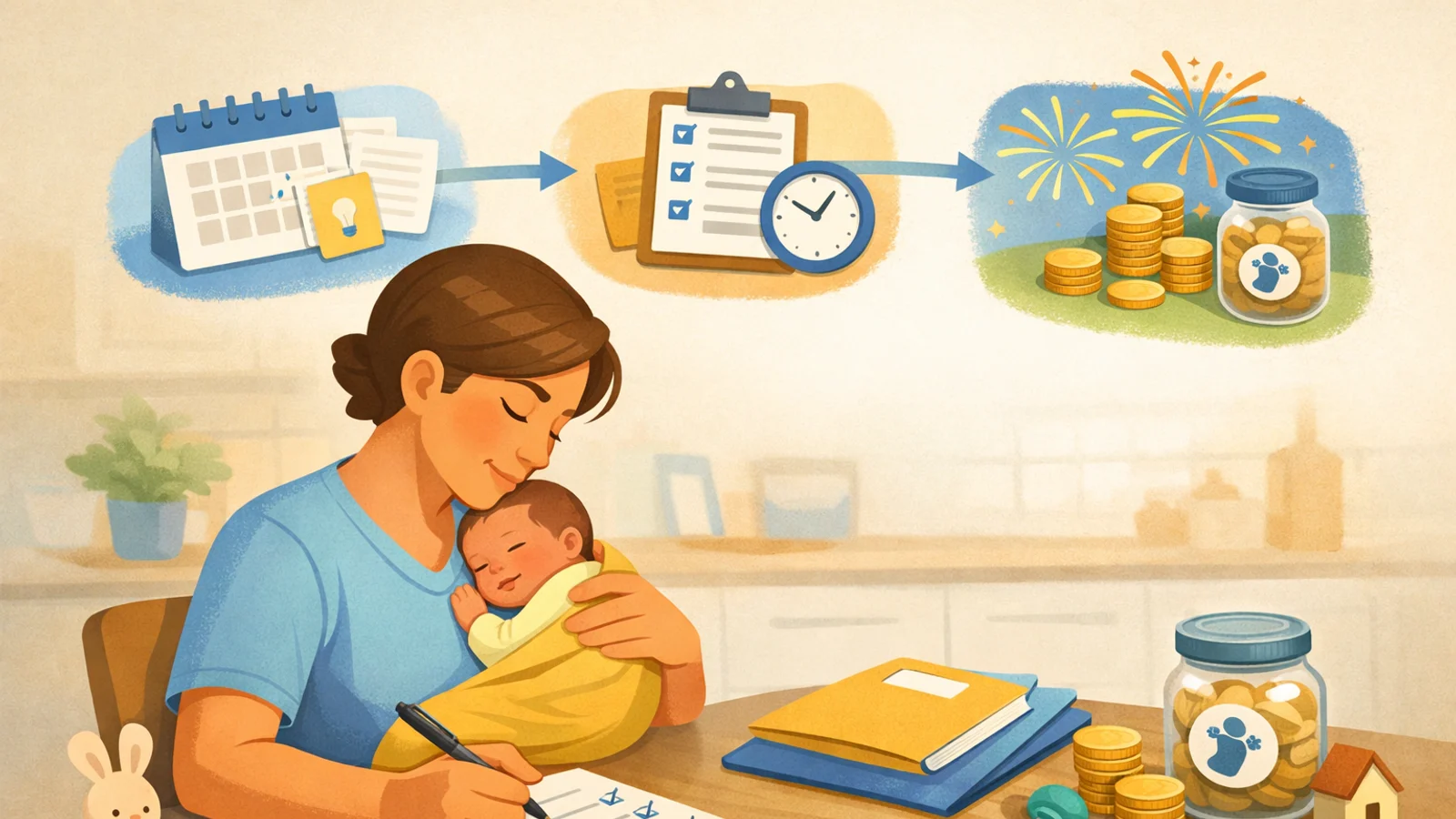
If your baby may qualify for the new federal baby investment account rollout in 2026, this is the planning window to pay attention to. Public IRS guidance now says the one-time federal pilot contribution is tied to a new type of account for eligible children, with deposits made no earlier than July 4, 2026. The IRS also says private contributions generally cannot be accepted before July 4, 2026, and that the online tool or application is expected in the middle of 2026. (irs.gov)
What parents are asking right now
Parents are mostly asking four practical questions:
- Is this live yet? Not fully. As of March 17, 2026, federal guidance is out, but the operational tools are still being rolled out. The IRS says the online tool or application is expected in mid-2026. (irs.gov)
- When do accounts get funded? Treasury says pilot deposits for eligible children will be made no earlier than July 4, 2026, after an election is made and the government can confirm the child’s initial account has been opened. (irs.gov)
- Can family contribute now? In general, no. IRS guidance says contributions are not accepted before July 4, 2026. (irs.gov)
- Who may be eligible? The IRS news release says the pilot program covers eligible children born in calendar years 2025, 2026, 2027, or 2028, subject to the program rules. (irs.gov)
What changed in early March 2026
On March 6, 2026, the Treasury Department and IRS announced proposed regulations for the contribution pilot program. The release says Treasury plans to deposit $1,000 into the account of each eligible child for whom a valid election is made. That same release also confirms that parents may need to make the election during the child’s birth year. (irs.gov)
For families, that matters because the program is no longer just a headline. There is now public guidance on timing, the one-time pilot amount, and the need to complete an election process once the operational path is available. (irs.gov)
BabyFund’s practical view: what to do before activation notices go out
BabyFund is not a government agency, and it cannot approve eligibility or guarantee tax treatment. What it can do is help parents get organized before the real deadlines arrive.
Use this checklist now:
- Save your child’s core records in one place. Keep the birth certificate request, Social Security documentation when issued, and parent or guardian identification together.
- Watch for activation timing around May 2026. Based on the current rollout window, many families should expect account-opening and activation communications around May 2026, even though contributions generally start later on July 4, 2026. This timing is a planning estimate, not a government guarantee. It aligns with IRS guidance that the tool is expected in mid-2026 and that funding cannot begin before July 4, 2026. (irs.gov)
- Plan your first contribution, but do not send money early. If you want grandparents, relatives, or friends to help, decide in advance how much they may give after July 4, 2026.
- Ask your employer about future payroll or benefit support. IRS employer guidance says that beginning July 4, 2026, employers may contribute up to $2,500 a year under a qualifying employer program, subject to the overall rules and limits. (irs.gov)
- Keep expectations realistic. This is a long-term savings and investing structure, not a cash benefit for immediate expenses. Treasury has described it as a starting point for long-term asset building. (home.treasury.gov)
Questions to compare before you choose your next step
When parents compare options, these are the useful questions:
1. Do we need to do anything before July 4, 2026?
Yes: organize documents, follow official rollout updates, and be ready to complete any required election or account-opening step once available. But for actual contributions, the IRS says July 4, 2026 is the key date to remember. (irs.gov)
2. Should we wait for the federal process or start our own family savings plan too?
Many families will do both. It can make sense to prepare for the federal account while also using a separate family savings plan for short-term baby costs, since this new account is built for long-term investing rather than near-term spending. This is an inference based on the account structure and Treasury’s description of the program’s long-term purpose. (irs.gov)
3. Are there contribution limits to know?
Yes. IRS materials describe a $5,000 annual contribution limit during the growth period, with some special categories treated separately under the rules. (irs.gov)
4. Does BabyFund replace official instructions?
No. Families should still rely on IRS and Treasury instructions for eligibility, elections, tax treatment, and account rules. BabyFund’s role is planning support and plain-English guidance, not legal or tax authority. (irs.gov)
A simple plan for parents with babies due in 2026
If your baby is due in 2026, the cleanest plan is:
- Before birth: decide who will handle paperwork and keep IDs current.
- After birth: request the documents you will likely need for any official enrollment or election process.
- Around May 2026 rollout communications: watch for activation or setup instructions.
- Starting July 4, 2026: make contributions only if the account is open and official rules allow it.
- After launch: keep a record of every contribution source, including family gifts or any employer support. (irs.gov)
Bottom line
As of March 17, 2026, the biggest new development is that Treasury and the IRS have moved from broad concept to proposed operating rules. For parents, the two dates that matter most are around May 2026 for activation-related communications and July 4, 2026 for contributions and pilot deposits to begin no earlier than that date. BabyFund’s best advice right now is simple: get your documents ready, do not contribute early, and be prepared to act once the official setup path is live. (irs.gov)